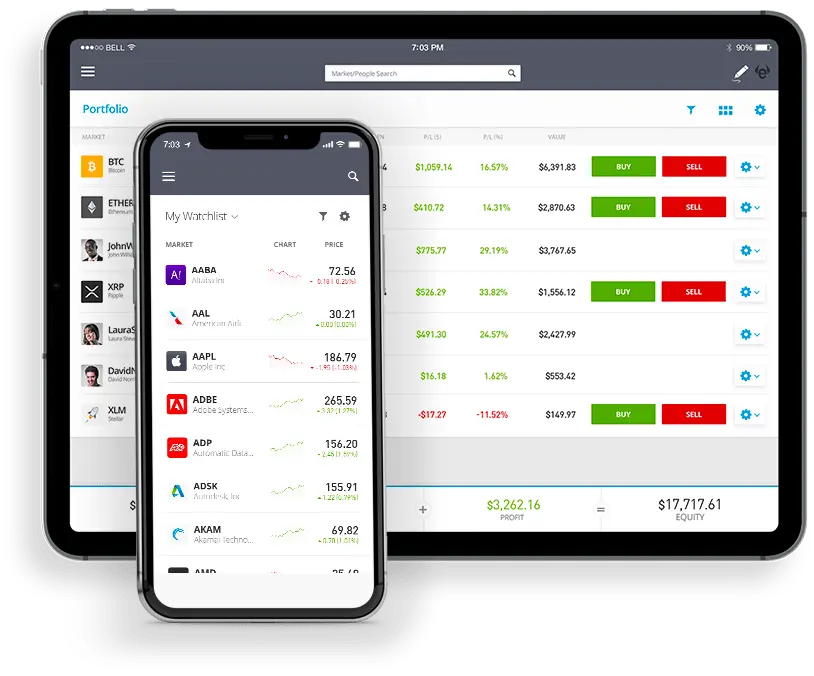
Yes, when you place a non‑leveraged BUY on a stock, you own that asset. eToro holds the real shares in your name, they’re protected in segregated/legal structures, and you receive any applicable rights (like dividends).
Terms like “fractional shares” and segregated omnibus accounts are mechanisms eToro uses to pool and hold real investments on behalf of many users.
When you buy stocks outright (non-leveraged), eToro purchases those shares through regulated custodians like APEX in the U.S.
In the UK and EU, the shares sit in a segregated omnibus account. This separates your assets from eToro’s own money.
Add leverage or sell short, and you’re no longer holding shares. You’re trading CFDs, contracts tracking the price. These don’t come with shareholder perks.
Owning a piece of a stock doesn’t mean it’s synthetic. eToro pools partial purchases, then allocates real shares based on your slice.
Your shares stay in segregated accounts. If eToro runs into trouble, your investments remain shielded.
In the U.S., APEX Clearing handles custody with SIPC protection. In Europe, local oversight comes from CySEC or the FCA.
You can’t shift shares to another broker. To exit, you’ll need to sell them on eToro and withdraw the cash.
Dividends are standard. Voting rights depend on where you live and which market rules apply.
Here’s a quick line that I suggest to keep it straight: if you’re adding leverage or going short, you’re dealing with a CFD. That means you’re trading a contract, not picking up actual shares.
About Mike Druttman