Bitcoin halving cuts the mining reward in half every 210,000 blocks about every four years. It helps control supply, with a cap of 21 million BTC. The next one’s due in April 2028, which drops the block reward to 1.625 BTC. It’s baked into the protocol.
Every 210,000 blocks or so (roughly once every four years) Bitcoin throws a curveball. It's called a halving.
Here’s what happens: the reward miners get for validating a block of transactions gets cut in half. Clean. Automatic. No vote needed.
This is the timeline:
And it’ll keep going like this until the full 21 million BTC are out there. That’ll be sometime around 2140.
So why should you care?
Because this slows the flow of new bitcoins hitting the market. With supply shrinking and demand staying the same (or rising), it can put upward pressure on price.
It also hits miners. They earn fewer coins with every block but still take home transaction fees.
Less new supply, same hungry market. You do the math.
Mark your calendars. Bitcoin’s next halving is tracking toward April 2028, right around block 1,050,000. Most projections point to April 17, but don’t be surprised if it lands a little earlier or later. Based on current block times, it could fall anywhere between April 1 and April 20.
When it does, the block reward will get sliced again, from 3.125 BTC down to 1.625 BTC.
| Event | Date | Block Height | Reward Before → After |
| 4th Halving | April 20, 2024 | 840,000 | 6.25 → 3.125 BTC |
| 5th Halving | April 2028 (estimaded) | 1,050,000 | 3.125 → 1.625 BTC |
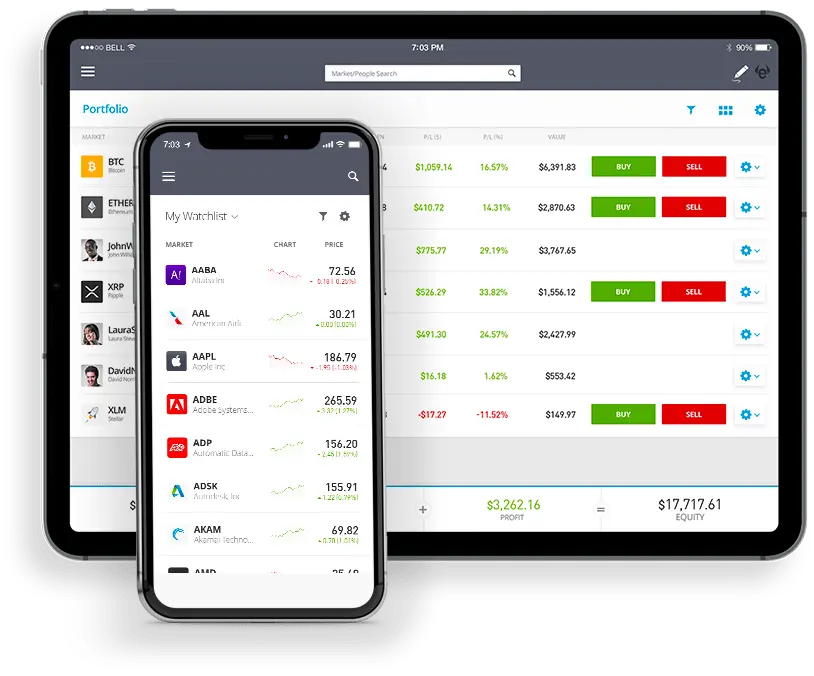
eToro's multi-asset platform allows you to buy Bitcoin and other cryptocurrencies directly. No wallets or mining rigs required.
Here’s how it works:
Create an account, fund it (bank transfer, debit card, PayPal, etc. *depends on your country of residence), then search for Bitcoin (BTC) and hit “Trade.” That’s it. The platform charges a flat 1% fee per transaction, shown upfront, so you know exactly what you’re paying.
 About Mike Druttman