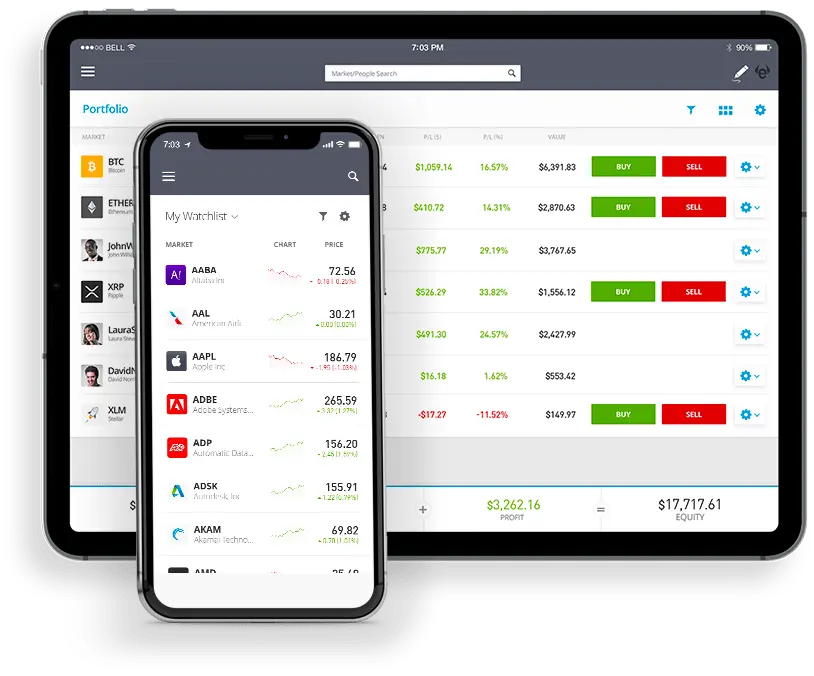
Yes, eToro is considered safe for buying Bitcoin. It is a regulated platform (FCA, CySEC, ASIC) and uses secure storage, 2FA, and encryption. You can transfer crypto to the eToro Money wallet for full custody of your BTC. Just note the 1% fee applies on both buy and sell, so factor that into your total cost.
eToro is no stranger to global oversight. It operates under multiple licenses across main financial markets.
In the EU, eToro (Europe) Ltd is regulated by CySEC and officially registered under MiCA as a crypto asset service provider, granting it passporting rights across all 27 EU member states.
Over in the UK, it falls under the regulatory umbrella of the FCA. In Australia, it’s licensed by ASIC. And in the US, eToro USA LLC is a registered Money Services Business with FinCEN and holds broker-dealer licenses through the SEC and FINRA.
eToro doesn’t mix your money with theirs. Client funds are kept in segregated accounts at top-tier banks, so it's completely separate from the platform’s own operational funds.
As for crypto, the majority is locked away in cold storage. That means offline wallets protected with multi-signature authorization. Add in SSL encryption and default two-factor authentication, and the setup is tight.
Worth noting: since launching Bitcoin trading back in 2013, eToro hasn’t suffered a single major breach affecting user assets.
eToro is upfront about the risks. Crypto holdings aren’t covered by FDIC, SIPC, or other investor compensation schemes, even in regulated regions like Cyprus or the UK.
The platform’s terms are clear: cryptocurrencies are volatile. Losses are possible. Trading comes with risk. And if you're holding crypto, it’s uninsured.
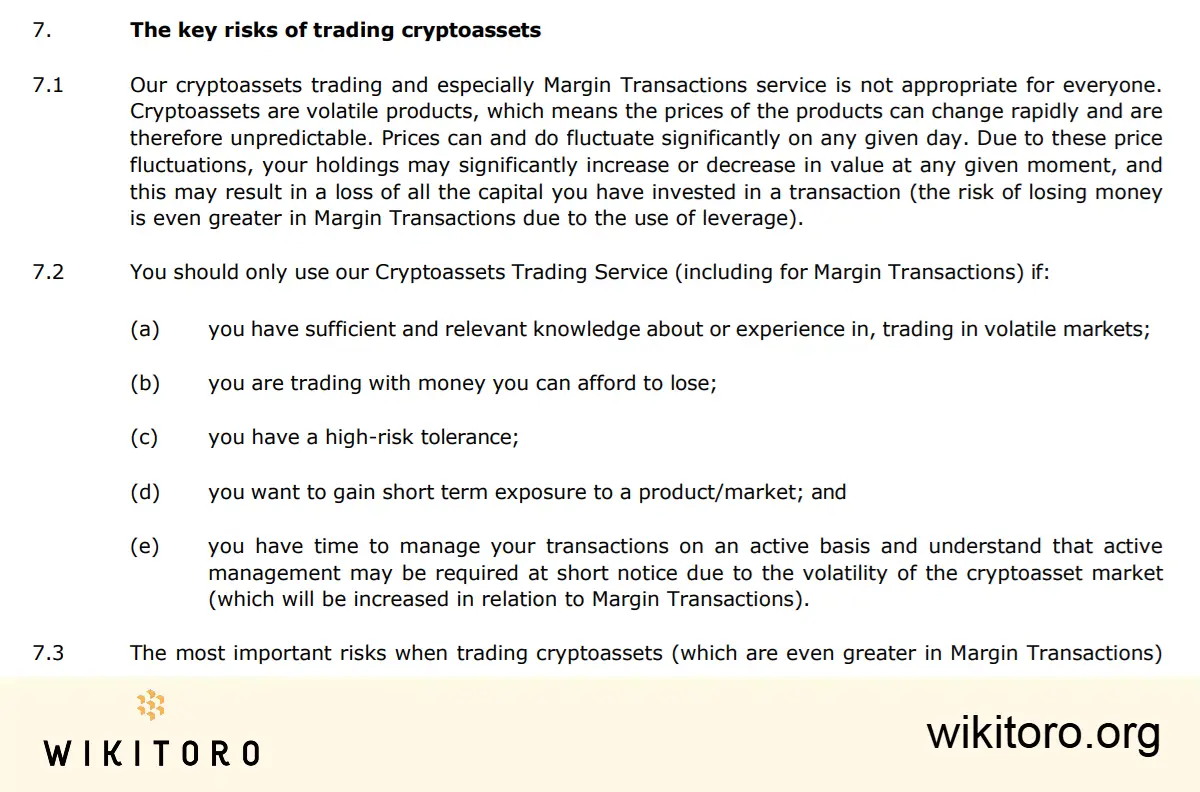
Based on everything I’ve seen so far, there haven’t been any public reports of eToro being hacked or users losing their Bitcoin. That’s good. But keep in mind that crypto on eToro isn’t covered by government-backed insurance, and you don’t get access to your private keys. eToro holds the assets on your behalf.
Now if you want more control, you might want to move your BTC to a private wallet once you’ve made the purchase. If you’re after full ownership (private keys and all), a hardware wallet bought separately and funded through another exchange could be the better route.
 About Mike Druttman