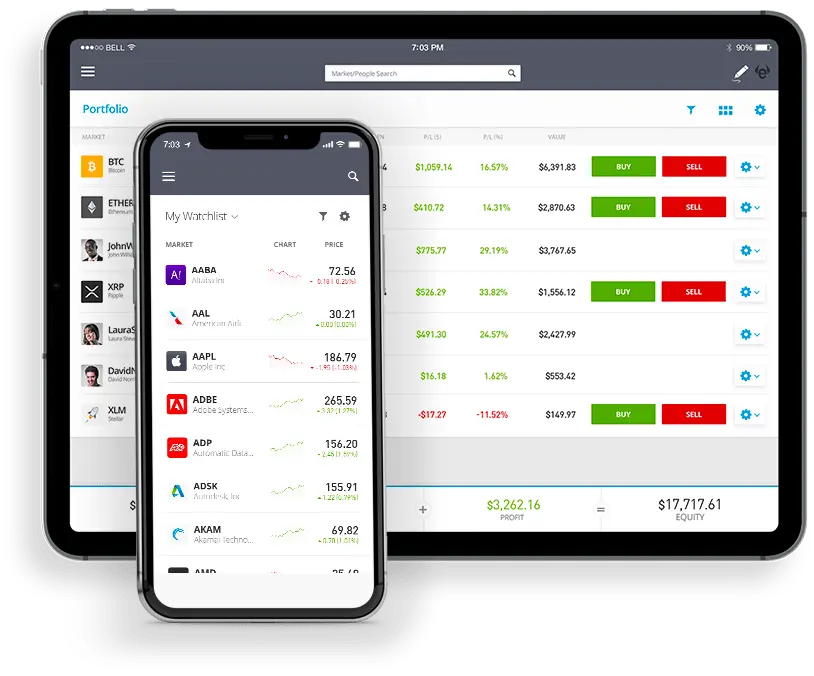
Yes, eToro follows strict regulations, secures funds in top-tier banks, and uses strong cybersecurity measures. But it’s not backed by government deposit insurance, so understand the risks. Always do your own research and check the protections available in your country before making a deposit.
No time to dig through pages of research? No problem. I’ve got you covered with all the latest facts—fast.
Regulations: Who’s Watching eToro?
eToro isn’t just some random trading platform—it’s regulated by several major financial authorities worldwide, including:
- Financial Conduct Authority (FCA) (UK)
- Cyprus Securities and Exchange Commission (CySEC) (Europe)
- Australian Securities and Investments Commission (ASIC) (Australia)
These regulators enforce strict financial standards to make sure that eToro plays by the rules.
How eToro Protects Your Money
Your funds aren’t just sitting in some sketchy offshore account. They’re held in top-tier banks and protected with SSL encryption to keep your personal information safe.
On top of that, eToro uses:
- TLS (Transport Layer Security) encryption: This keeps your transactions secure.
- Continuous network monitoring: A cybersecurity team watches over everything 24/7.
Your assets are protected from hacks, breaches, and fraud—which, let’s be honest, is a major concern when dealing with online trading platforms.
On the Downside...
Unlike traditional banks, eToro isn’t covered by deposit guarantee schemes like:
- UK’s Financial Services Compensation Scheme (FSCS)
- EU’s Deposit Guarantee Scheme (DGS)
So, if something were to go wrong, you won’t get government-backed protection. Instead, eToro follows a different process:
- Client funds are held in separate accounts with regulated banks.
- These funds can’t be used for anything else.
If eToro were to ever go bankrupt, your money would still be safe—though there might be some costs involved in getting it back.
That SEC Settlement: Does It Matter?
In September 2024, eToro settled a $1.5 million case with the U.S. Securities and Exchange Commission (SEC) for operating as an unregistered broker for crypto trades.
What changed?
- U.S. users can now only trade Bitcoin, Bitcoin Cash, and Ether.
- International users? No restrictions—full access to all crypto assets.
For most traders outside the U.S., this won’t affect you at all.
With all these facts and information that I have presented, I hope this answers your question. And yes, in my opinion I do believe that depositing money on eToro is generally safe with all these security measures and their full compliance with regulators.