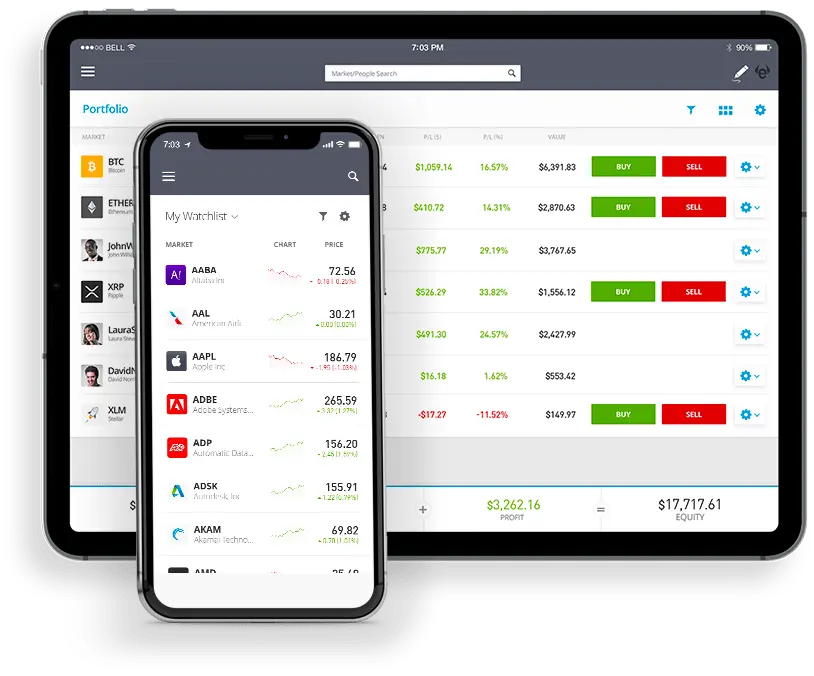
Yes. If you’re using eToro in the UK and made money, whether from stocks, crypto, or CFDs, you might owe tax. HMRC doesn’t care if the gains came from a slick trading strategy or a lucky crypto punt. If you sold, swapped, earned, or withdrew, it’s time to take a closer look at your obligations.
Here’s the important thing: eToro doesn’t deduct or report UK tax. That’s your job.
You are. eToro won’t handle any reporting or withholding on your behalf. HMRC expects you to log your trades, do the sums, and pay what’s due. No exceptions.
This kicks in when you sell or dispose of assets like crypto or stocks for more than you paid.
Your gains must be reported in GBP, so if you’re trading in USD (which you will be on eToro), you’ll need to convert using HMRC’s monthly exchange rates. Not daily. Monthly.
For 2024–25, you have a £6,000 tax-free CGT allowance. You only pay tax on the amount above that.
Tax rate? It’s 18% if your total taxable income is £50,270 or less. Over that, it’s 24%.
Even if you’re under the allowance, HMRC still expects a report, unless you’re absolutely certain you have nothing to declare.
If you earn passive income (say from staking, certain dividends, or CFDs), that’s taxable too. Add it to your self-assessment return and pay according to your standard income tax band.
If you received staking income or similar, report it under income, not gains.
Here are some tips that I personally recommend to make it easier:
- Track trades in a spreadsheet. Include dates, GBP values, profits, losses.
- Always use HMRC’s published monthly rates, not the spot rates.
- Offset any eligible losses to reduce your CGT bill.
- Use eToro’s tax summary, or plug your data into tools like Koinly or CoinLedger to speed up the math.
- And if you’re unsure, speak to an accountant, especially if you’ve made lots of trades or mixed income.
Getting this right means no nasty surprises from HMRC and lets you claim every allowance you’re entitled to. Tax on investing can feel daunting at first, but you’re not the only one figuring it out. HMRC has help guides if you’re just getting started.
 About Mike Druttman